
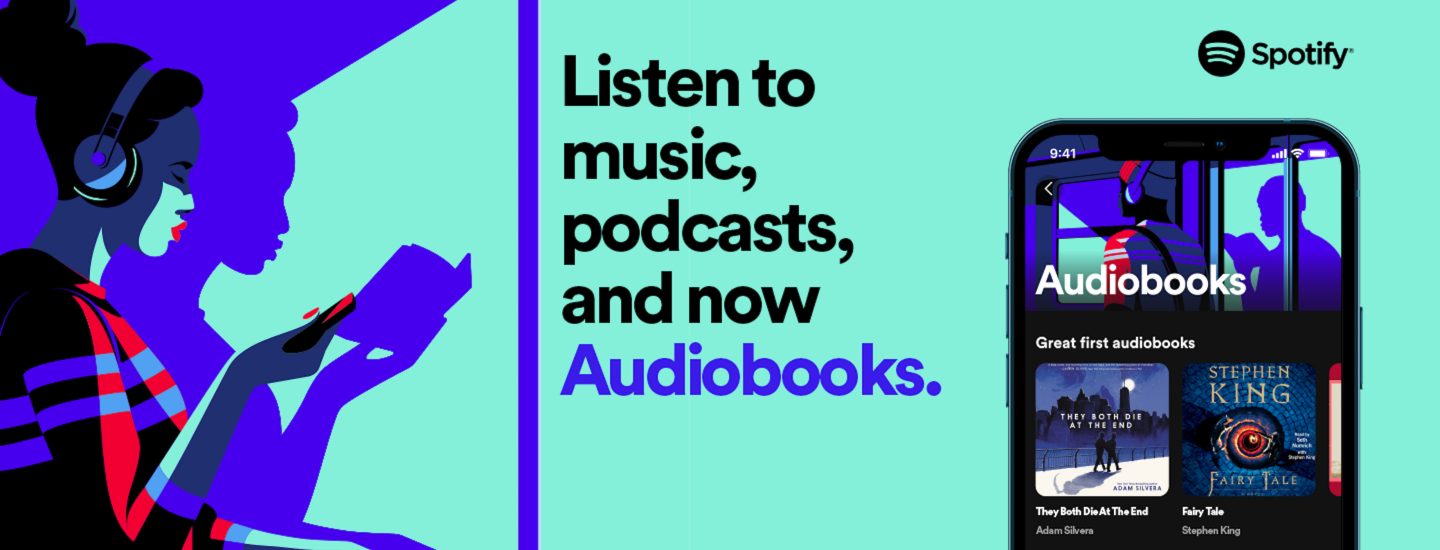
Today, we are tackling the platform everyone in audio is talking about. Yep, Spotify.
Spotify’s massive push into audiobooks, offering Premium subscribers 15 hours of listening time per month, has been hailed as a revolutionary shift for the audio market. Spotify’s earnings reflect a massive jump in audiobook listening, and authors are seeing their work reach millions of listeners who never owned an Audible account.
On paper, it sounds like an instant victory. In practice, the business mechanics tell a much more complex story.
Audible: Purchase/Credit —> Full Royalty Paid Upfront
Spotify: Pooled Streaming —> Paid Per Minute Listened (Pro-Rata)
The Math Behind the Stream
If you publish through a traditional platform like Audible (via ACX) or Google Play, the revenue model is straightforward. A customer buys your audiobook (either direct or with a credit) and you receive a set percentage of that purchase price. You get paid for the complete sale regardless of whether the customer listens to 10 minutes or 10 hours.
Spotify uses a pro-rata model. Your payout comes out of a shared subscriber pool based on the exact time users spend listening to your content.
Here is where the model creates friction for independent creators:
- The Drop-Off Penalty: If a listener streams three chapters of your mystery novel, gets distracted, and moves on to a podcast, you are paid strictly for those streamed minutes. On a traditional storefront, that download represents a full sale.
- Length Bias: Because payouts map to hours consumed, longer audiobooks (like 18-hour epic fantasies or dense histories) capture a disproportionate share of the pool compared to tight, punchy 4-hour non-fiction guides or novellas.
- Third-Party Aggregator Fees: Self-published authors generally cannot upload audio directly to Spotify without using distributors like INaudio (formerly Findaway Voices) or PublishDrive. These aggregators take their own slice (typically 10% to 20%) before the money even reaches your account.
How to Play It Smart
Relying on Spotify as your primary income stream is risky. Treating it as a top-of-funnel discovery engine for your brand, however, is brilliant.
- Go Wide, Never Exclusive: Do not lock your audiobook into exclusive contracts. Distribute to Spotify through an aggregator to capture casual listeners, but keep direct sales open on your own website using tools like BookFunnel or Payhip where you keep 85% to 90% of the revenue.
- Hook Readers First and Fast: Structure your opening chapters with immediate momentum. On a streaming service, every skipped chapter is a literal drop in revenue.
In Conclusion
Spotify is great for discoverability, but poor for standalone margin. Use streaming platforms to find new fans, then bring those readers over to your email list and direct store to capture true lifetime value.